Cataracts
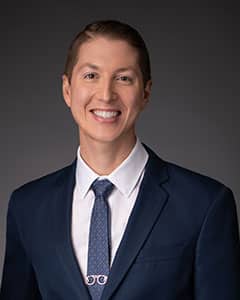
Dr. Jonathan Frantz: First and Most Experienced Surgeon in Southwest Florida to Offer Bladeless Laser Cataract Surgery.
What To Expect from Cataract Surgery
Cataracts
As an ophthalmologist dedicated to providing outstanding care, Dr. Jonathan Frantz is continually looking for ways to better serve his patients. He is thrilled and honored to lead the way in bringing Bladeless Laser Cataract Surgery to Southwest Florida. He is ranked the #1 Bladeless Laser Cataract Surgeon in Florida* and is One of the Country’s Top 5 Bladeless Laser Cataract Surgeons**.
Frantz EyeCare was also awarded Best Cataract Surgeon in the Best of Southwest Florida 2024 Reader’s Choice Awards! These annual awards, sponsored by The News-Press and voted on by members of the community, recognize businesses that exemplify excellence in products, performance or service. We’re proud to have been recognized multiple times over the years!
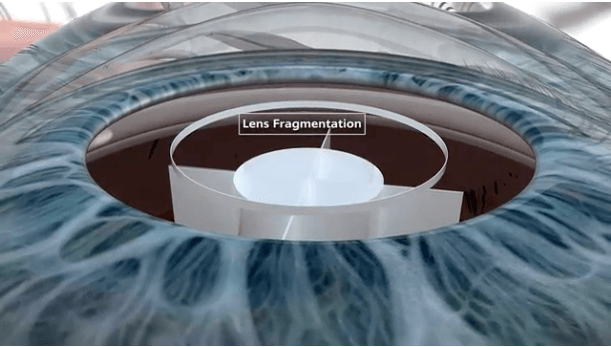
Our practice is the first practice in the Fort Myers / Southwest Florida area to utilize the most technologically advanced option for cataract surgery – the LenSx Laser, a bladeless computer-controlled laser that allows Dr. Frantz to plan and perform your surgery to an exacting, individualized specification not attainable with other surgical methods.

Laser Cataract Surgery
Dr. Frantz is the first surgeon in Florida to offer the VERION Image Guided System, which is part of the area’s only full Cataract Refractive Suite. The four industry-leading systems of the Cataract Refractive Suite allow for seamless and synergistic integration of the various surgical technologies. They work together to maximize Dr. Frantz’s skills as a surgeon and offer laser-guided precision, increased accuracy and improved safety for better visual outcomes.
Intraocular Lens Implants
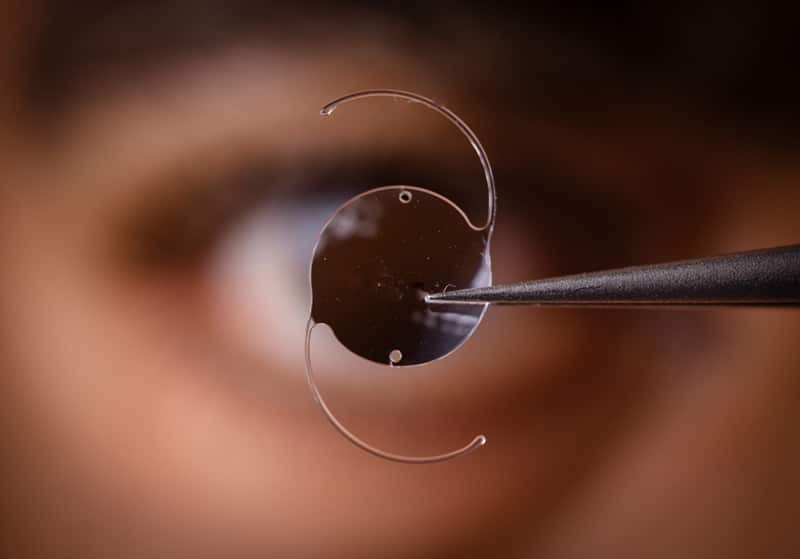
Intraocular Lens Implants (IOLs) are the artificial lenses that replace the eye’s natural lens that is removed during cataract surgery. At Frantz EyeCare, you may choose to have a premium refractive procedure with the LenSx laser or traditional surgery.
Dr. Frantz and our Specialty Lens Counselor will help you select a lens implant that fits your specific lifestyle and eye health needs.
- Bladeless Laser Cataract Surgery with a premium intraocular lens and Limbal Relaxing Incisions (LRI)
- Bladeless Laser Cataract Surgery with a Monofocal Toric IOL
- Bladeless Laser Cataract Surgery with a Standard Monofocal Lens with Limbal Relaxing Incisions (LRI)
- PanOptix Trifocal IOL
- Light Adjustable Lens™ By RxSight
- Vivity™
- Traditional Cataract Surgery
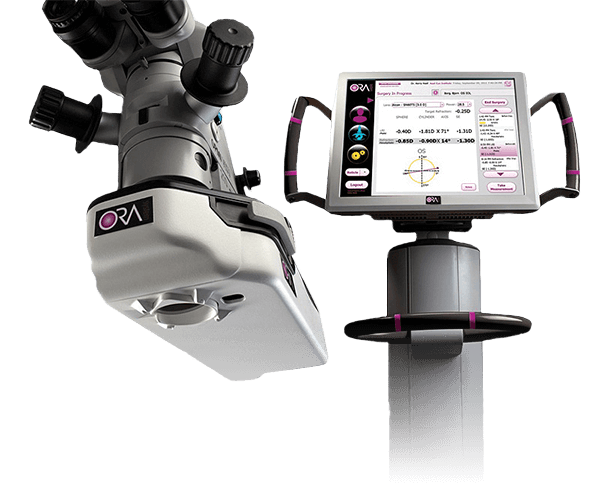
ORA Technology
ORA VerifEye maps out and analyzes the entire eye and gives the surgeon real time measurements as the surgery is performed. After the cataract has been removed, the surgeon can then can easily take a more precise measurement to help with the placement of the new lens.
Before ORA VerifEye, patients and surgeons would have to wait weeks to determine the accuracy of the surgical results. Now, that information is available right away. The state-of-the-art device provides an unprecedented new level of valuable information about your eye before, during, and after surgery, ensuring you receive the best vision results possible.
Cataracts are the third leading cause of blindness in the United States
Studies suggest that everyone who lives long enough will get cataracts, although there may be some reduced risk for individuals who eat properly, avoid sun exposure and do not smoke.
A cataract is not a disease but an aging process similar to graying hair. As the eye ages, the normal lens inside the eye becomes cloudy. The lens focuses light rays on the retina at the back of the eye to produce a sharp image of what we see. When the lens becomes cloudy, the light rays cannot pass easily through it, and the image becomes blurry. It can be compared to a window that is frosted or “fogged” with steam.
What You Need to Know About Cataract Surgery
There are many misconceptions about a cataract. A cataract is:
- Not a film or growth over the eye
- Not caused by overusing the eyes
- Not a cancer
- Not spread from one eye to the other
- Not a cause of irreversible blindness
What causes a cataract?
Cataracts usually develop as part of the aging process. Other causes include:
- Family history
- Medical problems, such as diabetes
- Injury to the eye
- Medications, such as steroids
- Long-term, unprotected exposure to sunlight
- Previous eye surgery






When is a cataract suspected?
The amount and pattern of cloudiness within the lens can vary. If the cloudiness is not near the center of the lens, you may not be aware that a cataract is present. However, many people experience common symptoms, which include:
- A painless blurring of vision
- Glare, or light sensitivity
- Frequent eyeglass prescription changes
- Double vision in one eye
- Needing brighter light to read
- Fading or yellowing of colors
How is a cataract detected?
A thorough eye examination can detect the presence and extent of a cataract, as well as other conditions that may be causing blurred vision or discomfort. When other conditions are present, particularly those involving the retina or optic nerve, perfect vision may not return after cataract removal.
To learn more about cataract surgery and the LenSx bladeless laser cataract surgery, call one of our convenient locations, or schedule an appointment online.