
Dry Eye
Nearly 10% of all individuals in the United States have Dry Eye Syndrome (DES), and nearly 350 million worldwide. In fact, the majority of patients sitting in the waiting room of their eye doctor’s office are suffering from challenges due to dry eye. Studies show that this problem is even more common in patients over the age 65, with women being at higher risk.
What is Dry Eye (aka Ocular Surface Disease)?
Simply stated, dry eye occurs when the eyes do not produce enough tears or tear film to lubricate the eye properly. If gone untreated, individuals can experience a variety of uncomfortable symptoms that can even progress to blurred vision.
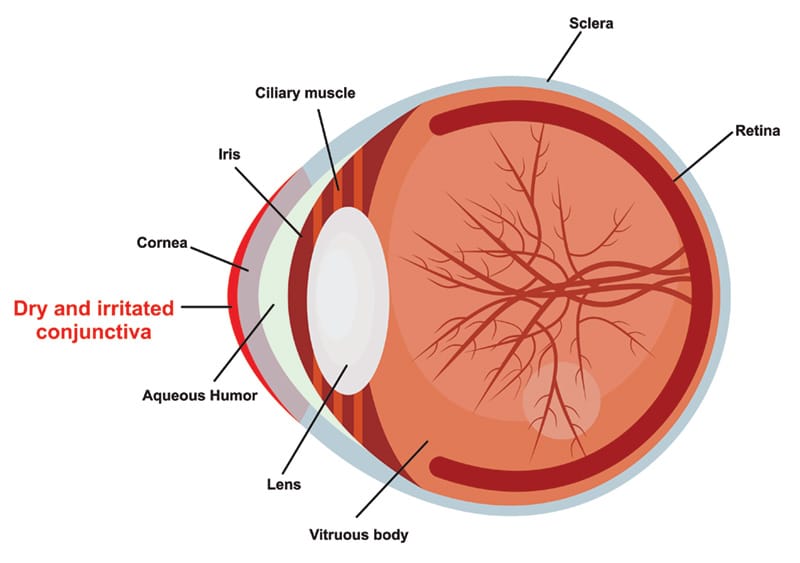
Some of the symptoms of dry eye disease include:
- Redness
- Burning
- Itching
- Fluctuation in vision
- Feeling of sand or grit in the eye
- Contact Lens discomfort
- Light Sensitivity
- Watery eyes
- Tired eyes
If you know you have chronic dry eye problems or you think you may be experiencing the symptoms of dry eye, call us at (239) 418-0999 or request an appointment online.
Should symptoms persist, the drainage ducts can be temporarily or permanently closed, slowing the drainage of tears which are designed to lubricate and soothe the eyes.
There are three types of dry eye disease:
Aqueous Deficient
The eyes do not produce enough tears.
Evaporative
A meibomian gland dysfunction.
Mixed
Aqueous tear deficiency.
It is important to note that blepharitis as a result of extended contact lens usage can also contribute to dry eye disease.
How is Ocular Surface Disease detected?
Millions of people suffer from Meibomian Gland Dysfunction (MGD) with a large percentage of individuals over the age of 40.
Our Team of Dry Eye Specialists at Frantz EyeCare takes a compassionate approach to providing customized care for every individual. Our specialists assess each patient uniquely by conducting an Ocular Surface Evaluation (OSE) in order to determine what conditions, medications, and environmental factors are contributing to symptoms of dry eye.
A Bruder Ocular Surface Analyzer (BOSA) is an innovative technology that Frantz EyeCare employs to help identify, qualify and remedy the presence of Ocular Surface Disease. The BOSA device captures and immediately provides test results that help our doctors efficiently and effectively manage the symptoms of each individual patient. Some recommended treatments might include LipiFlow, BlephEx, iLux, Intense Pulsed Light (IPL) therapy, as well as prescribed therapeutics and recommended at-home therapy measures such as eye drops, ointments, and warm compresses.
The groundbreaking technology of the BOSA is a game-changer, because it is a one-stop instrument that provides excellent analytics to constructively care for patients suffering from Ocular Surface Disease.
What are my Treatment Options?
LipiFlow®
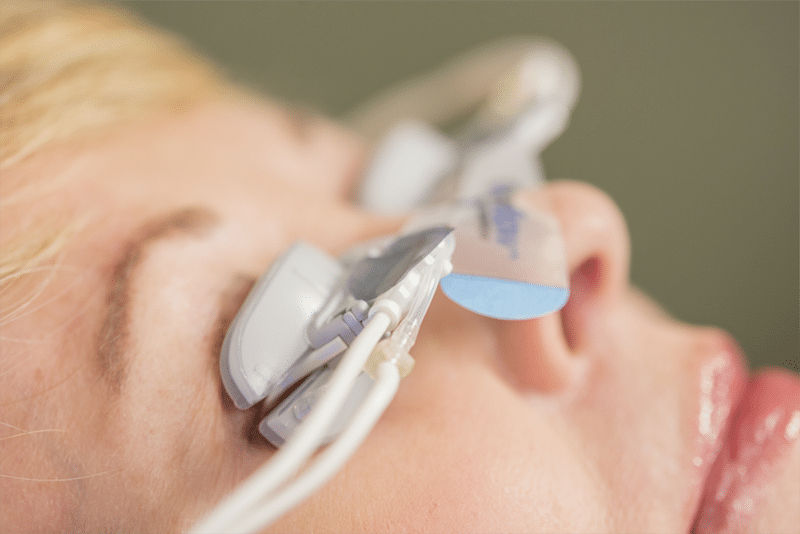
The LipiFlow® Thermal Pulsation System combines heat and gentle pressure to remove meibomian gland blockages in the eyelids and restore normal gland function.
The treatment uses shell-shaped applicators over the front and back of the eyelids to apply heat along with gentle massage in order to remove the obstructions in the meibomian glands. This treatment is comfortable and soothing, and research has shown that it significantly improves the number of meibomian glands that yield normal oil production levels.
BlephEx®
BlephEx® is a proven treatment for patients who suffer from DES and Blepharitis (inflammation of the eyelids). It is an eyelid cleaning procedure that serves to remove bacteria, debris, and excess oils from the eyelid margins.
BlephEx® improves overall eye health and alleviates the discomfort caused by gland blockage.
Systane® iLux®
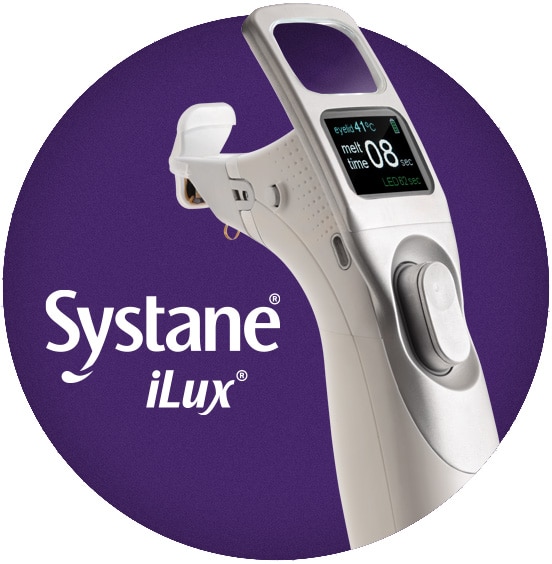
Systane® iLux® is an additional thermal pulsation system using sterile tips that allows our physician to specifically target dysfunctional meibomian glands to deliver localized heat and compression therapy designed to clear obstructed glands.
Most patients begin to see a noticeable improvement within a few days of their first treatment; however it is highly recommended that patients have an iLux® treatment every six to eight months.
IPL – An Intense Pulse Light (IPL)
IPL – An Intense Pulse Light (IPL) Treatment uses photothermolysis to convert light to heat which can be absorbed by oxyhemoglobin.
This treatment emits pulses of light that help to liquify and release oils from the meibomian glands that are clogged and dysfunctional. It is a painless and effective treatment that is often used to treat evaporative eye disease.
What is the treatment duration/regimen?
Because there is no cure, treatment must be ongoing in order to maintain maximum Ocular Surface Health. For treatments administered by the Frantz EyeCare Team, our recommendation is that patients have 4 treatments (that might be a combination of more than one system) two to four weeks apart initially, and then follow up with additional treatments every six months. Our specialists customize the frequency of treatment plans on a case by case basis.
Because there is no cure, treatment must be ongoing. Artificial tears are available over the counter to soothe the eyes and provide temporary relief. The disadvantage is that artificial tears only work for an hour or two and must be repeated at frequent intervals. Ointments can last longer, but can also blur the vision and are best used at night.
As advancements in treatment progress, Frantz EyeCare will continue to be at the forefront of providing the latest technology so that our patients have the utmost confidence in their care.
TearLab “Accredited Dry Eye Center” Southwest Florida

One of the most common clinical challenges faced in eye care is dry eye. Dry Eye Disease (DED) affects approximately 40 million people in the U.S. and less than 5 percent of the DED patient population has been diagnosed and is being treated, according to Healthcare Maintenance Organizations data.
Keeping up with the latest advancements in technology in the diagnosis and treatment of dry eye disease, Frantz EyeCare is certified by TearLab as an “Accredited Dry Eye Center”. Certification indicates that Frantz EyeCare has demonstrated expertise and dedication to the most advanced technologies and treatments in the management of dry eye disease. Medical Director and Chief Surgeon, Dr. Jonathan Frantz and our team of specialists have extensive experience in the diagnosis and treatment of dry eye disease.